
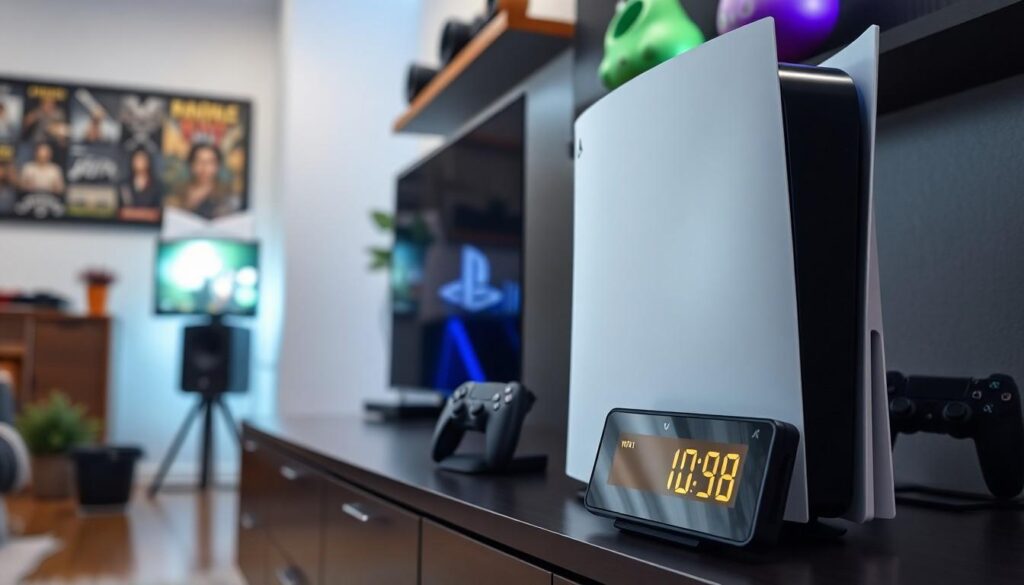
Gamers everywhere are buzzing with excitement over the PlayStation 5, but amidst the thrill of epic battles and stunning graphics, one question lingers: how many watts does this powerhouse consume? It’s a crucial detail for anyone looking to keep their energy bills in check while enjoying their favorite titles.
Overview of PlayStation 5 Power Consumption
Power consumption for the PlayStation 5 varies depending on its usage. In idle mode, the console consumes about 0.5 watts, a minimal amount that keeps power bills low while not in active use. During gameplay, power usage significantly increases, averaging around 200 watts. This figure can fluctuate based on the game being played and the graphics settings utilized.
When the console runs demanding titles, power draw may rise to approximately 220 watts or higher. Performance demands from games dictate this higher consumption. In contrast, casual games or those with lower graphical fidelity typically result in lower energy use. Observing these differences helps gamers understand potential impacts on their energy costs.
To optimize usage, turning off features like the rest mode can reduce electricity consumption. In rest mode, the console still uses around 15 watts but allows for quicker access to games. Disable unnecessary features if conserving energy is a priority.
Gamers can track consumption with smart plugs or energy meters that record real-time data. These devices provide clarity on how specific gaming habits affect overall energy use. Monitoring consumption encourages more energy-efficient gaming practices.
Understanding the PlayStation 5’s power draw equips users with knowledge to manage energy expenses effectively. Adapting gameplay habits reduces overall consumption while enjoying the full capabilities of the console.
Factors Affecting Power Usage

Power consumption varies significantly based on several factors. Understanding these influences helps gamers manage their energy expenses effectively.
Gameplay vs. Standby Modes
Gameplay consumes much more electricity than standby modes. While actively gaming, the console uses around 200 watts on average. This number can rise to 220 watts for graphically demanding titles. In contrast, when in standby mode, the PlayStation 5 uses only about 0.5 watts, making it energy efficient during inactivity. The difference in usage clearly shows that game type and settings heavily impact overall power draw.
Streaming and Media Playback
Streaming and media playback also affect power consumption. During streaming sessions, the console typically uses between 100 and 150 watts, depending on video quality settings. This consumption remains lower compared to active gaming. Watching movies or shows can thus be a more energy-efficient option. However, higher resolutions and HDR content can increase wattage usage closer to the gameplay levels. Gamers should keep this in mind when deciding how to enjoy their consoles beyond gaming.
Average Wattage of PlayStation 5
The PlayStation 5 showcases unique power consumption metrics that are noteworthy for any gamer.
Comparison with Previous Models
When compared to prior models, the PS5 demonstrates a significant increase in efficiency. The PlayStation 4 Pro typically consumed around 310 watts during gaming sessions. In contrast, the PS5 averages about 200 watts under similar conditions. Despite its enhanced graphics and processing power, the console optimizes energy usage, proving beneficial for eco-conscious gamers.
Power Usage During Different Activities
During various activities, power consumption for the PS5 fluctuates considerably. Gaming sessions typically require between 200 and 220 watts, with titles demanding higher graphics pushing wattage even further. In contrast, users experience lower consumption rates, approximately 100 to 150 watts, during streaming or media playback sessions. While idle, the console conserves energy with a mere 0.5 watts. In standby mode, it uses about 15 watts, providing quicker access to games and features. This diverse power usage informs gamers about their potential energy costs, allowing for better management of electricity consumption.
Energy Efficiency Tips for PlayStation 5 Users
Managing the energy consumption of a PlayStation 5 remains essential for eco-conscious gamers. Implementing specific strategies can lead to significant savings on power bills.
Optimizing Settings
Adjusting settings on the PlayStation 5 plays a key role in reducing energy consumption. Lowering screen brightness directly impacts energy use. Setting the console to turn off after a period of inactivity can also minimize wattage usage. Disabling features like quick resume helps lower energy draw by reducing background processes. Additionally, switching to a performance mode instead of graphics mode for demanding games can lead to less power consumption without sacrificing gameplay quality.
Energy-Saving Accessories
Using energy-saving accessories enhances the efficiency of the PlayStation 5 experience. Smart plugs allow users to monitor and control power usage effectively. Energy meters provide real-time feedback, making it easier to identify energy-hungry habits. Investing in energy-efficient HDMI cables can also reduce unnecessary power drain during gameplay. Finally, utilizing a surge protector with energy-saving features can safeguard the console while optimizing overall energy efficiency.
Conclusion
Understanding the PlayStation 5’s power consumption is essential for gamers looking to balance performance with energy efficiency. With its impressive capabilities, the PS5 still manages to optimize energy use compared to previous models. By being mindful of settings and usage habits, players can enjoy their gaming experience without significantly impacting their energy bills.
Implementing strategies like turning off rest mode and using energy-efficient accessories can make a noticeable difference. Ultimately, gamers can revel in the excitement of the PS5 while also being conscious of their environmental footprint and energy costs.


