
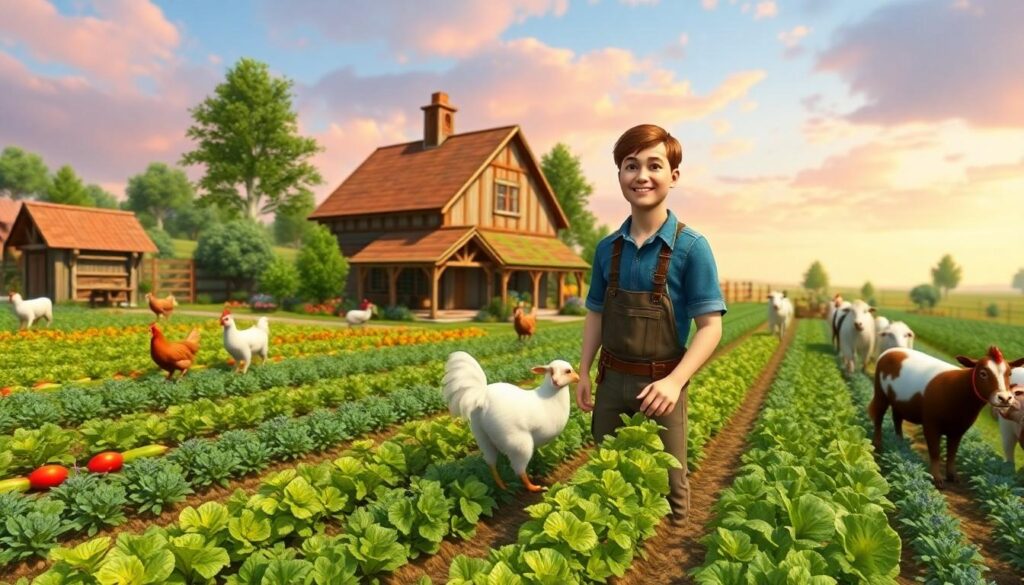
Imagine living the dream of being a farmer in the vibrant world of RuneScape 3. With player-owned farms, that fantasy becomes a reality. Players can cultivate crops, raise adorable animals, and even manage their own agricultural empire—all while avoiding the pesky real-life chores that come with actual farming. Who needs to weed the garden when you can grow magic potatoes instead?
Overview of Player Owned Farm RS3
Player-owned farms in RuneScape 3 offer a unique blend of farming activities and management strategies that enhance the gaming experience. Players can cultivate crops and raise animals in a customizable environment, engaging with various tasks.
What Is Player Owned Farm?
Player-owned farms provide a dedicated space where individuals can grow crops and raise livestock. The system allows for personal farm management, making farming more immersive than traditional methods. Players interact with different farming mechanics, focusing on growing produce and breeding animals. This feature creates a community aspect, encouraging cooperation and trade among players.
Key Features of Player Owned Farm
Several features strengthen the appeal of player-owned farms. Customization options allow players to design their farms according to preferences. Various crop types, such as vegetables and herbs, can be cultivated to meet personal or market demands. Additionally, animal husbandry includes raising chickens, cows, and sheep to produce resources. Players benefit from rewards like experience points and unique items. The game encourages strategic planning to maximize productivity and profitability in farming pursuits.
Getting Started with Player Owned Farm

Player-owned farms provide players with a unique opportunity to customize their farming experience. Engaging in this system enriches the gameplay through strategic farming mechanics.
Requirements to Unlock Player Owned Farm
Unlocking a player-owned farm requires completing the quest “The Herds of the Earth” and achieving level 60 Farming. Engaging in various Farming tasks along the way helps players consolidate their farming skills. Additionally, they must possess an active membership to access this feature fully. Gathering the required resources ensures a smooth start in building a farm.
Initial Setup and Customization
Setting up a player-owned farm begins with choosing a location in the game environment. Players can select from several plots, each offering distinct advantages. Customizing the layout remains crucial; arranging farm buildings and placing objects enhances productivity. Specifically, players should focus on optimal placement for crops and animal pens to maximize space. Selecting the types of crops and livestock introduces personal preference and strategy into farm management. Each choice influences overall performance, benefiting players as they develop their agricultural empire.
Gameplay Mechanics
Player-owned farms introduce a range of engaging gameplay mechanics centered on agricultural management and strategy. Players can immerse themselves in farming activities that enhance their experience.
Farming Activities and Crops
Crops like vegetables and herbs populate player-owned farms, enabling diverse farming activities. Players can plant, tend, and harvest various crops, each offering unique benefits. Crops vary in growing times, requiring thoughtful planning to maximize yield. Players can experiment with hybrid plants to discover advantageous traits. Seasonal crop rotation becomes essential for ensuring optimal soil health. Customization options allow players to arrange plots to fit specific needs. Strategic crop choices impact resource availability and market value, driving decisions in farm management.
Animal Husbandry and Care
Animal husbandry adds another layer to player-owned farming, focusing on raising livestock like chickens, cows, and sheep. Each animal type requires specific care, from feeding to health monitoring. Players must ensure animals are well-fed and tended to, influencing productivity levels. Breeding animals opens pathways for enhanced traits and greater yields. Farm management benefits from creating enclosures suited for various livestock needs. Engaging with the community through trade for animal products expands options for farm growth. Employing strategies for care and expansion helps players achieve their agricultural aspirations.
Player Interactions and Community
Player-owned farms in RuneScape 3 foster vibrant community interactions through trading and cooperation. Players engage actively within this dynamic environment.
Trading and Market Dynamics
Trading plays a crucial role in the player-owned farm experience. Players can exchange crops, livestock, and rare items, enhancing their farms’ productivity. Market dynamics shift based on supply and demand for specific crops and products. Seasonal variations can affect prices significantly, prompting strategic trading at optimal times. Players can also use the Grand Exchange to broaden their trading opportunities, giving access to a wider audience. Engaging in local markets or player-to-player trades encourages community building while maximizing profits.
Cooperative Farming Options
Cooperative farming options enhance gameplay and strengthen community ties. Players can join farming groups to share resources and expertise. Collaboration in managing larger plots can lead to greater yields and efficiency. Participating in farm events encourages friendly competition and shared rewards, while benefiting all members. Players can assist each other in completing farming tasks, such as harvesting and tending crops. Such interactions promote camaraderie, ensuring everyone enjoys the thriving atmosphere of their player-owned farms.
Tips and Strategies for Success
Success in player-owned farming requires strategic planning and management. Players should focus on maximizing crop yield and profitability while implementing effective farm practices.
Maximizing Yield and Profit
Choosing crops with short growing times can significantly increase profits. High-yield crops like strawberries or potatoes offer quick returns. Experimenting with hybrid plants also boosts productivity, providing unique benefits and resources. Players should rotate crops seasonally to maintain soil health and optimize output. Monitoring market prices ensures players sell crops at peak times, maximizing earnings. Engaging in community trading for rare items can further enhance profits. Placing a focus on livestock care also leads to increased yields, particularly with well-bred animals.
Best Practices for Farm Management
Effective farm management starts with organizing farm layouts for efficiency. Prioritizing essential buildings like barns ensures streamlined operations. Monitoring livestock health and feeding schedules is crucial for maintaining productivity. Experimenting with different crop combinations enables players to discover the most profitable strategies. Joining farming groups fosters collaboration and resource sharing among players. Utilizing tools to track crop growth and livestock performance aids in decision-making. Lastly, staying informed about seasonal changes and market trends allows players to adapt strategies for optimal results.
Conclusion
Player-owned farms in RuneScape 3 offer an engaging and rewarding experience for those looking to immerse themselves in virtual agriculture. With a blend of creativity and strategy players can cultivate a thriving farm while enjoying the social dynamics of trading and collaboration. The freedom to customize layouts and manage crops and livestock adds a personal touch to each player’s farming journey.
As players delve into the intricacies of farm management they not only hone their skills but also contribute to a vibrant community. By implementing effective strategies and engaging with fellow farmers they can maximize their farming potential. Embracing this unique gameplay feature opens up a world of possibilities that enhances the overall RuneScape experience.


